




You can safely remove gel polish at home by filing the top coat, soaking cotton pads in acetone or gel nail polish remover, wrapping each nail for 10 to 15 minutes, then gently pushing off the softened polish. Never peel or force the polish off, as this strips away nail layers and causes damage that takes weeks to heal.
People ruin their natural nails trying to peel off gel polish. The temptation is real, but the damage isn't worth it. After years of testing different removal methods, the right approach makes all the difference between healthy nails and brittle disasters.
What Is Gel Polish and Why Does It Need Special Removal?
Gel polish bonds to your nail plate through a chemical process activated by UV or LED light. Regular polish sits on top of your nail. Gel creates molecular bonds that make it durable. This is why gel manicures last 2 to 4 weeks without chipping.
Those same bonds make gel polish resistant to ordinary nail polish remover. Regular acetone-free removers won't break down the cured gel polymer. You need either pure acetone or specialized gel remover polish formulas designed to dissolve these bonds.
Think of it like trying to remove super glue with water. It won't work. The chemistry requires the right solvent.
Why Improper Removal Damages Your Nails
I've seen clients come in with nails so thin they bend like paper. In almost every case, they'd been peeling off gel polish. Here's what happens.
Your gel polish doesn't just sit on your nail surface. It adheres to the top layers of your nail plate. When you peel it off, you're ripping away those layers too. One peel session can remove weeks' worth of nail growth from the surface.
The damage compounds over time. Each peel makes your nails thinner and weaker. Your nails become fragile. Normal activities cause breaks. It can take three to six months for damaged nails to recover.
Professional removal dissolves the polish chemically rather than tearing it away. The right technique preserves your nail integrity.
What You Need for Safe Gel Polish Removal
Gather these supplies before you start. Having everything ready prevents rushing.
Essential supplies:
- Pure acetone or best gel polish remover (acetone-based works fastest)
- Cotton pads or balls
- Aluminum foil cut into 10 squares (3x3 inches each)
- Nail file (180-grit works well)
- Wooden cuticle pusher or orange stick
- Nail buffer
- Cuticle oil or hand cream
Optional but helpful:
- Gel removal clips (faster than foil)
- Small bowl of warm water
- Petroleum jelly
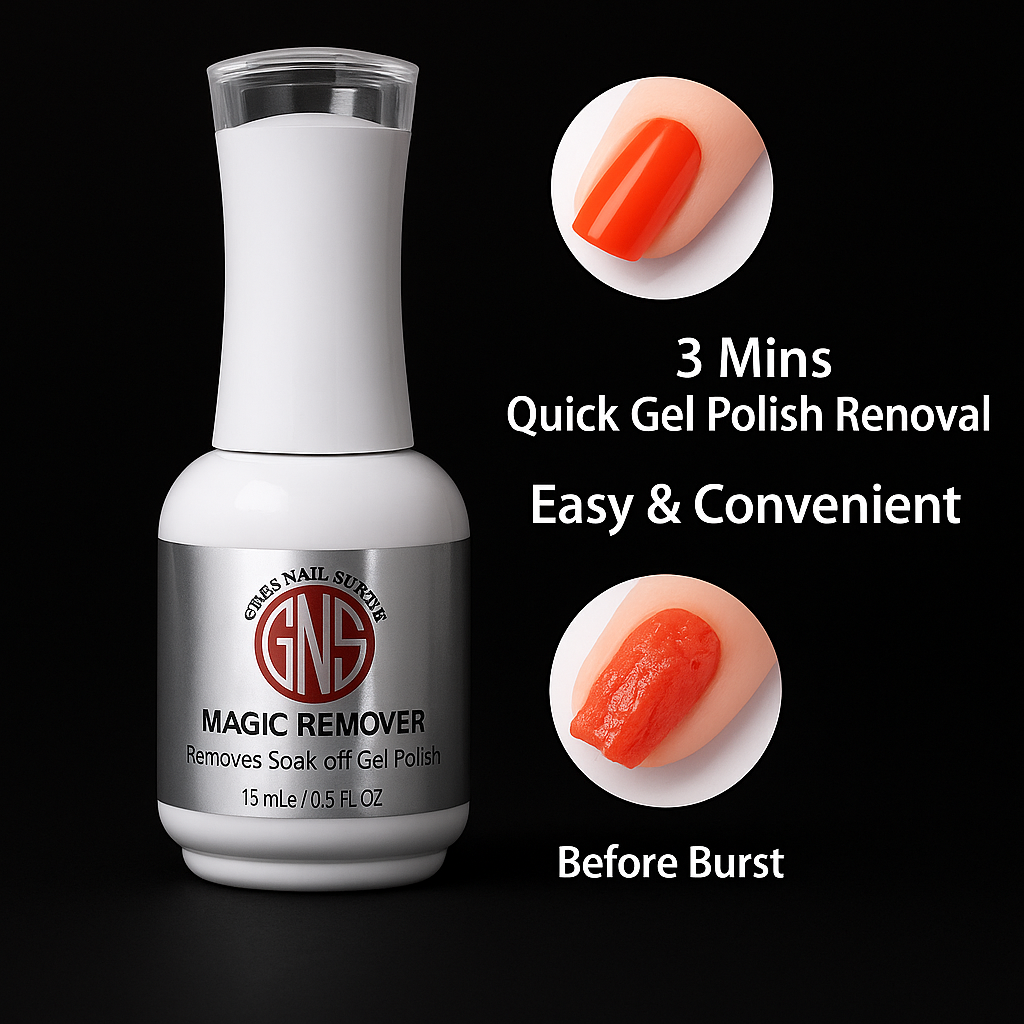
Products like the GNS Gel Magic Remover 15ml from Gina's Nails Supplies are formulated for gel polish. They work faster than pure acetone and include conditioning agents.
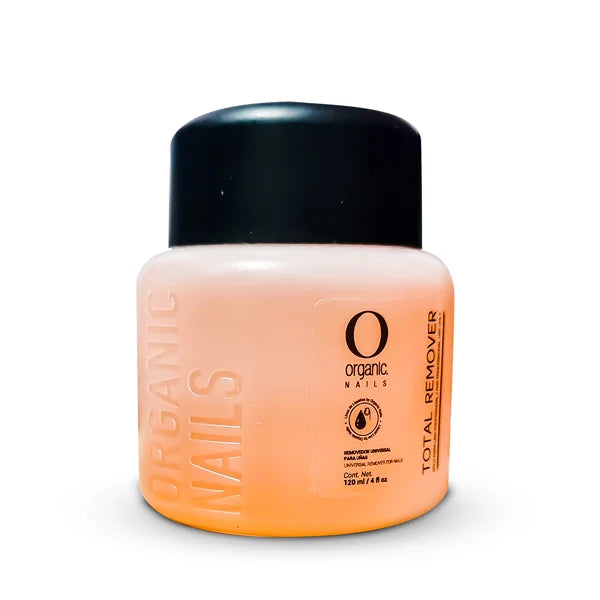
The Organic Nails Total Remover is a universal formula that removes gel, acrylic, and regular polish while containing moisturizers.
How to Remove Gel Polish: The Complete Process
Step 1: File the Top Coat
This step is critical and often skipped. Use a nail file to gently buff away the shiny top coat layer. You're not trying to file off all the color. Just break through that sealed top layer.
File in one direction with light pressure. You'll know you're done when the surface looks matte instead of glossy. This allows the acetone to penetrate the gel layers.
Skipping this step can double your soaking time and increase nail damage risk from prolonged acetone exposure.
Step 2: Protect Your Skin
Apply petroleum jelly or thick hand cream around your nails. Cover the cuticles and skin. Acetone is drying and will leave your skin cracked if you don't protect it.
This matters if you have sensitive skin or existing dryness. A few seconds applying this barrier saves hours of dealing with painful, peeling skin.
Step 3: Apply the Remover
Soak cotton pads in pure acetone or your gel remover nail polish product. The cotton should be saturated but not dripping. Press one pad onto each nail. Make sure you get complete coverage.
If you're using a specialized gel nail paint remover like those from Gina's Nails Supplies, apply it with the brush applicator to the nail surface. These formulas work without cotton pads in some cases.
Step 4: Wrap and Wait
Wrap each finger in aluminum foil to hold the cotton pad in place. The wrap creates a sealed environment. It should be snug but not cutting off circulation.
Set a timer for 10 to 15 minutes. Don't multitask during this time. If the wraps slip off, the acetone evaporates and you'll need to start over.
Some polish remover for gel polish products work faster. Check the product instructions. Three to five minutes is enough for advanced formulas. Ten to fifteen minutes for pure acetone.
Step 5: Test and Remove
Remove one foil wrap after the time is up. The gel should look lifted and wrinkled. If it's still smooth and attached, rewrap and wait another 5 minutes.
When the gel is ready, use a wooden cuticle pusher to gently nudge the softened polish. It should slide off in sheets with minimal pressure. Work from the cuticle toward the nail tip.
Never scrape hard. If the polish doesn't come off easy, it needs more soaking time. Forcing it causes the damage you're trying to avoid.
Step 6: Buff and Condition
Once all the gel is removed, you might see a thin residue or slight staining. Gently buff your nails with a fine-grit buffer to smooth the surface.
Apply cuticle oil and hand cream right away. Massage it into your nails and cuticles. Your nails just went through a chemical process and need hydration.
Apply cuticle oil three times a day for the next week. This helps your nails recover.
Best Way to Remove Gel Polish Without Acetone
Some people want to avoid acetone due to sensitivity or dryness concerns. Non-acetone gel removers exist. They work different and have limitations.
These products use alternative solvents that are gentler but slower. You'll need to extend your soaking time to 20 to 30 minutes. Even then, removal may be incomplete.
The best gel nail polish remover options without acetone include:
- Soy-based gel removers
- Oil-blend removal systems
- Professional non-acetone formulas
The trade-off is always time versus gentleness. In my experience, using pure acetone with proper skin protection and short exposure time is less damaging than prolonged exposure to gentler solvents.
If you have severe acetone sensitivity, get gel polish removed at a salon. Salons have ventilation systems and can work quick.
What Not to Do When Removing Gel Polish
- Never peel gel polish. Even if it's lifting at the edges, peeling removes nail layers. One peel session can cause more damage than a year of proper removal.
- Don't use metal tools. Metal scrapers and pushers are too aggressive for softened gel. They gouge and scratch your nail plate. Always use wooden or rubber-tipped tools.
- Avoid excessive filing. Some people try to file off gel polish. This generates heat from friction and thins your nail plate. Filing should only remove the top coat.
- Don't skip conditioning. Your nails are dehydrated after removal. Skipping oil and moisturizer leads to brittleness and peeling within days.
- Never reuse cotton pads or acetone. Once acetone is saturated with dissolved gel, it's less effective. Always use fresh supplies.
How Often Should You Remove and Reapply Gel Polish?
Your nails need breathing time between gel applications. Remove gel polish after 2 to 3 weeks. Give your nails at least a few days of rest.
During rest periods, focus on nail health. Apply strengthening treatments. Keep your nails moisturized. Avoid harsh chemicals. This recovery time helps prevent long-term damage.
If you love the gel polish look, consider alternating between gel manicures and regular polish. This gives your nails regular breaks.
Watch for signs that your nails need a longer break. Increased brittleness. White spots. Vertical ridges. Peeling layers. These indicate stress.
When to Use Professional Gel Polish Removal
Some situations call for professional removal.
- Thick builder gel or hard gel: These products don't soak off with acetone. They require careful filing by a trained technician.
- Gel extensions or gel-x: These involve more product layers and adhesion than regular gel polish. Professional removal is faster and safer.
- Already damaged nails: If your nails are thin, weak, or compromised, a professional can assess the situation and remove the gel with minimal stress.
- First-time removal: Your first gel removal sets the pattern for future attempts. Having a professional show you the proper technique is worth it.
Maintaining Healthy Nails Between Gel Applications
Nail health is a daily commitment. Between gel applications, your routine should include these things.
Apply cuticle oil morning and night. This single habit prevents most nail problems. The oil keeps nails flexible. Use hand cream throughout the day. Water is drying to nails.
Take biotin supplements or eat biotin-rich foods. Studies show biotin can improve nail thickness and reduce splitting. Results take 3 to 6 months though. Wear gloves for household cleaning. Harsh chemicals weaken nails.
Keep nails at a moderate length. Longer nails experience more stress and break easier when weakened from gel applications.
Conclusion
Removing gel polish safely is about patience and technique. The 45 minutes you spend doing it right saves months of nail recovery time. Your nails will thank you for treating them with care instead of forcing off polish that needs chemical dissolution.
Stock up on quality supplies like those from Gina's Nails Supplies and make removal part of your regular nail care routine. When you prioritize nail health over convenience, you can enjoy beautiful gel manicures for years without the damage that makes people give up on gel polish.
FAQs
Q. Can you remove gel polish with regular nail polish remover?
No. Regular nail polish remover for gel nails that's acetone-free won't work. Gel polish requires either pure acetone or specialized best gel polish remover formulas. Regular removers will frustrate you. Nothing happens even after extended soaking.
Q. How long does gel polish removal take at home?
Expect 30 to 45 minutes for the complete process if you're doing all 10 nails. This includes filing, wrapping, soaking, removal, and conditioning. Rushing leads to damage. Don't start removal when you're in a hurry.
Q. Is it better to soak off or peel off gel polish?
Always soak. Peeling causes immediate damage by removing nail layers. Even if the gel is lifting on its own, soaking dissolves the adhesion properly. The difference in nail health is dramatic and visible within weeks.
Q. Why won't my gel polish come off even with acetone?
Three common reasons. You didn't file the top coat enough. Your acetone isn't pure (check the label for 100% acetone). You're not wrapping tight enough to prevent evaporation. Some hard gels also require filing off rather than soaking.
Q. How can I strengthen my nails after removing gel polish?
Focus on hydration first. Use cuticle oil three times daily. Apply nail strengthener products. Avoid gel for at least a week. Eat protein-rich foods. Consider biotin supplements. Gentle buffing can smooth the surface, but don't over-buff weak nails.